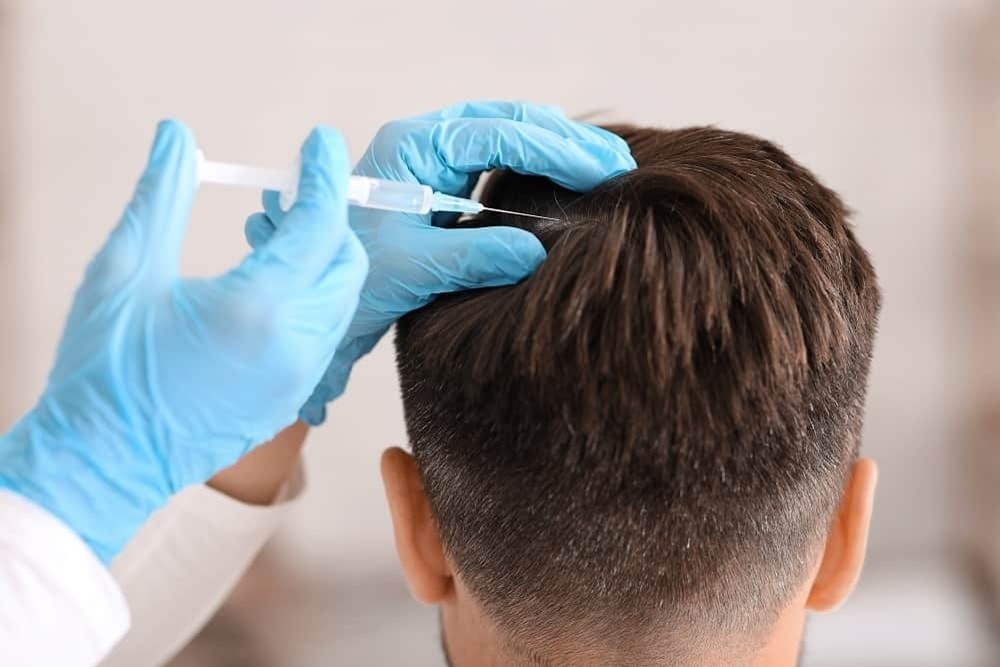
Why More Men Are Seeking Professional Hair Restoration Treatments
Hair loss is one of the most common appearance-related concerns among men. For some individuals, thinning begins gradually during their twenties or thirties, while others notice changes later in life. Hairline recession, patchy thinning, or reduced hair density can sometimes affect confidence and emotional wellbeing. This growing concern has increased interest in men’s hair loss treatment services that focus on healthier scalp care and natural-looking restoration.
Modern hair restoration approaches are far more advanced than they were in the past. Many men now seek professional support earlier to better understand their treatment options and long-term hair management possibilities.
Why Male Hair Loss Is So Common
Hair thinning among men may occur due to several factors including genetics, hormonal changes, stress, ageing, and lifestyle habits.
While some individuals experience mild thinning, others notice more rapid changes in hairline appearance or scalp visibility. Understanding these factors may help individuals feel more informed when considering professional support.
Genetics Often Play a Major Role
Male pattern hair loss remains one of the most common causes of thinning hair in men.
Although genetics cannot always be prevented, professional guidance may help individuals explore suitable treatments and scalp care methods designed to slow progression and support healthier hair condition.
Stress and Health Habits Can Influence Hair Condition
Modern work pressure, poor sleep, unhealthy eating habits, and emotional stress may all affect hair health over time.
Many individuals now focus on improving overall wellness alongside hair restoration treatments. Balanced nutrition, exercise, and stress management may support healthier scalp conditions.
Modern Treatments Offer More Natural Results
Men’s hair loss treatment today often focus on subtle and natural-looking improvements instead of unrealistic cosmetic changes.
Some men prefer non-surgical methods, while others explore more advanced restoration procedures depending on personal goals and scalp condition.
Early Action May Improve Treatment Options
Addressing hair concerns earlier may provide access to more treatment possibilities before hair loss becomes more advanced.
Professional evaluations may help identify suitable approaches based on individual hair condition, age, and long-term expectations.
Hair Appearance Can Affect Self-Confidence
Hair changes may influence personal confidence in both social and professional situations. Some individuals feel less comfortable with visible thinning or hairline changes.
Professional support and realistic treatment planning may help individuals feel more positive while improving overall appearance and confidence.
Conclusion
Hair restoration services continue becoming more popular among men seeking healthier and more personalised ways to manage thinning hair. With improved treatment methods, professional guidance, and healthier daily habits, many individuals may better support long-term hair health while improving overall confidence naturally.



Comments are closed.